Athlete Film · 2026
Athlete Reel
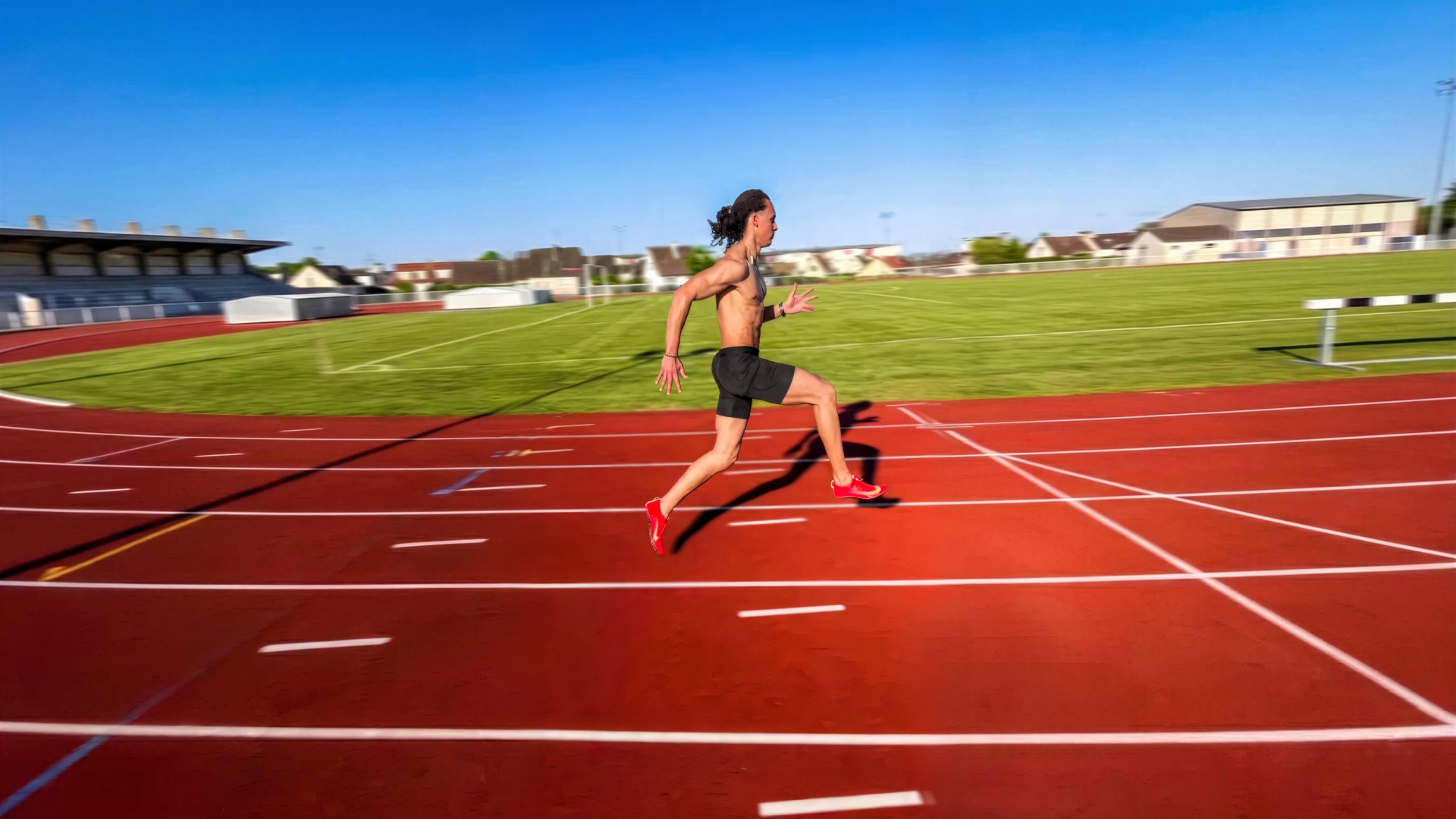
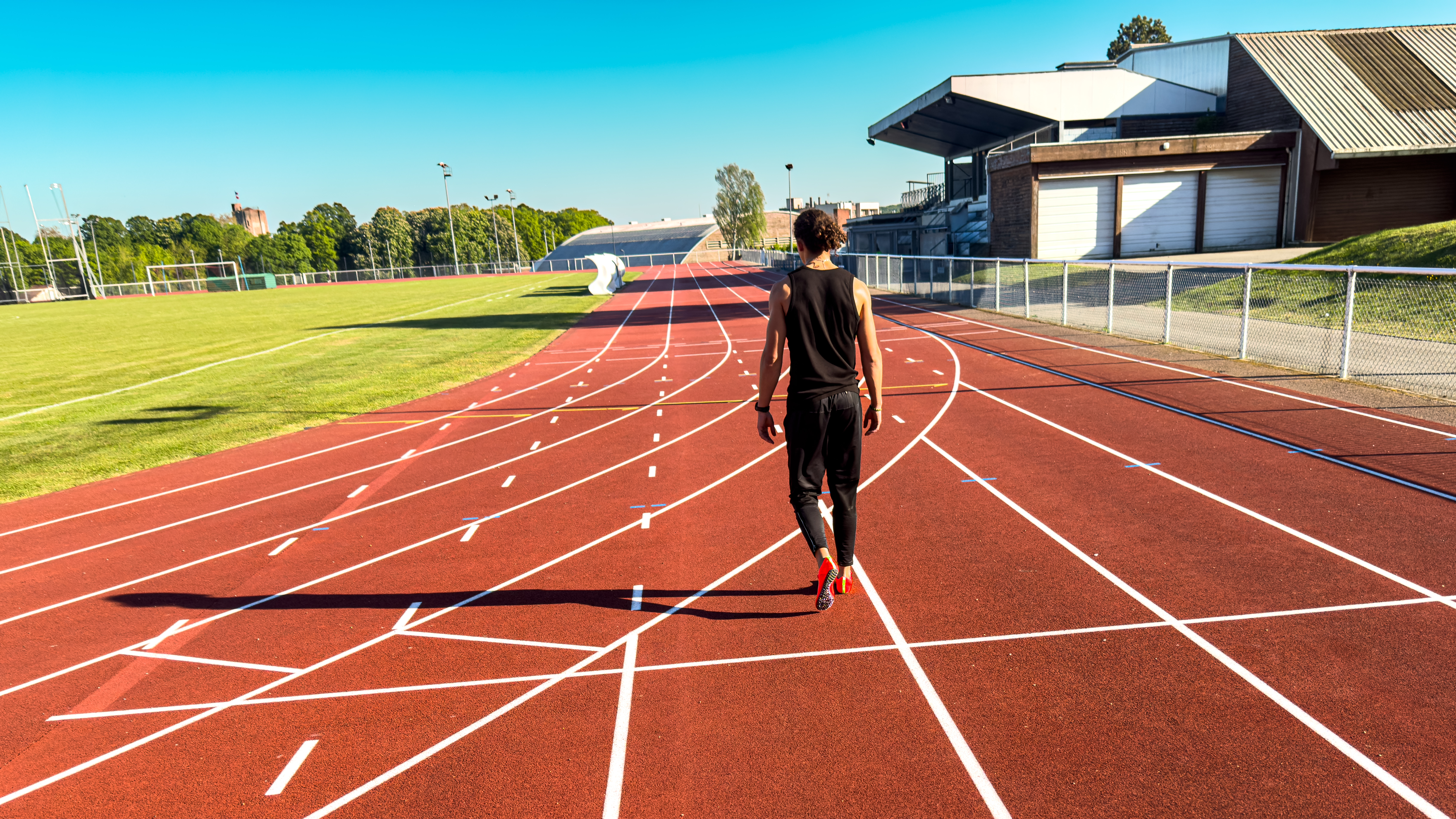
Direct address to coaches and university programs — training philosophy, injury context, academic profile, and recruiting intent. Filmed May 2026.
Short Documentary · 9:16 · May 2026
Rehab & Comeback
A short documentary tracing the injury, two surgeries, and the return-to-sport process. Fourteen months documented — from hospital to track. Filmed and edited independently.

Applied Science
Scientific Projects
Personal projects applying sport science methodology to sprint performance — from data collection to protocol design and field experimentation. Research that shaped how I train.
Primary Projects

In Progress
Sprint Phase Analysis
Systematic breakdown of acceleration, maximum velocity, and speed endurance phases — comparing theoretical models to filmed sessions for personal biomechanical diagnostic.
Force-Velocity Profiling
Building an individual force-velocity profile using field tests to guide training emphasis — identifying whether the deficit lies in peak force production or maximal velocity capability.
Method & Path
Trajectory
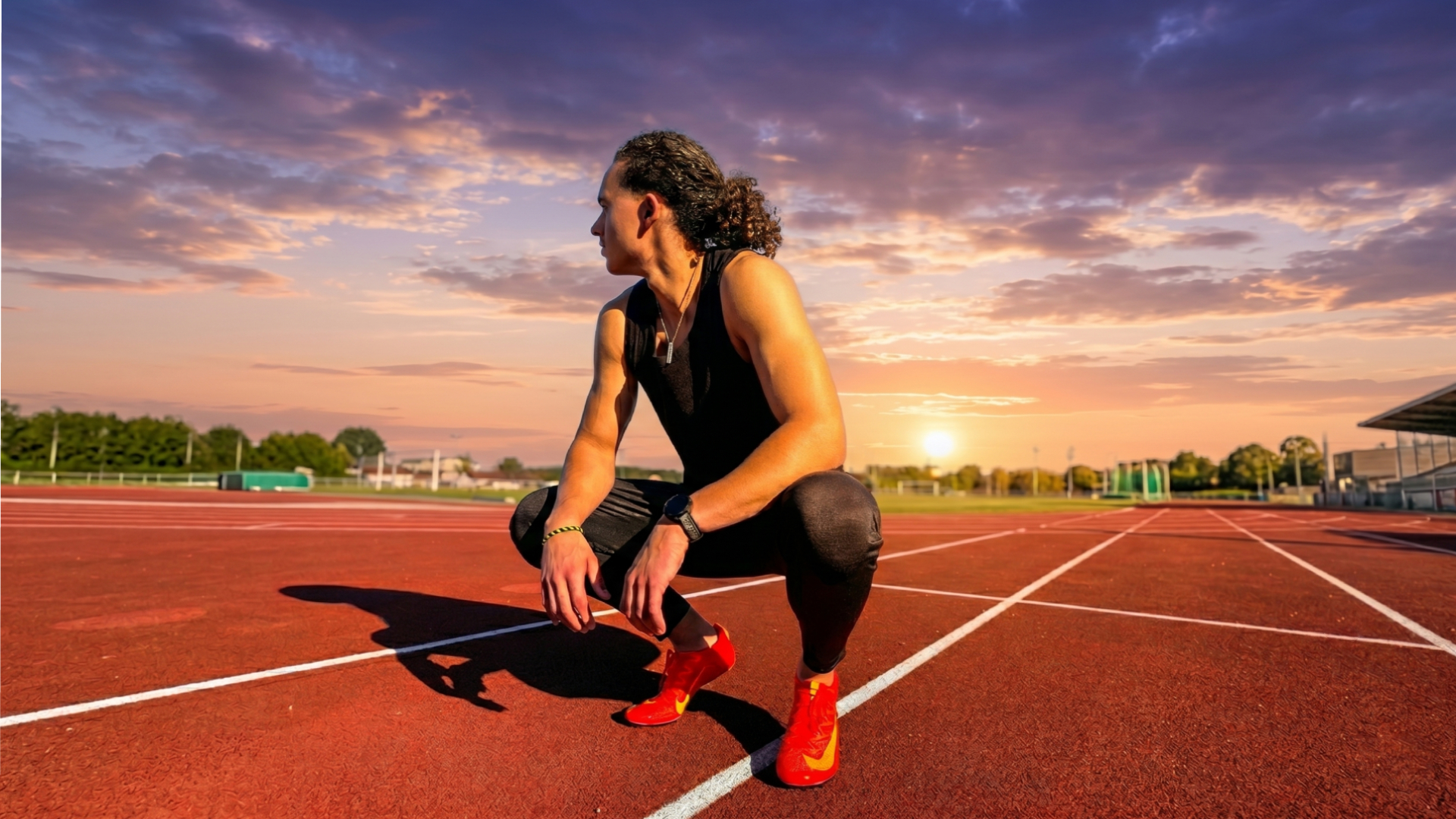
I started track & field at 7. By 15 I was already specializing — 60m, 100m, 200m only — treating training as a serious process rather than something I just showed up for. When a forced break interrupted the timeline, I made a clear decision: come back in sprint, come back structured, come back better.
“The injury didn't pause the work — it changed what the work was.”
In 2025, I sustained an avulsion fracture of the anterior tibial tuberosity. Two screws held the repair for twelve months. Hardware is now removed and return-to-sport is active — competition planned for Fall 2026. The injury changed everything about how I see progression: less reactive, more intentional, built around a process I actually understand.
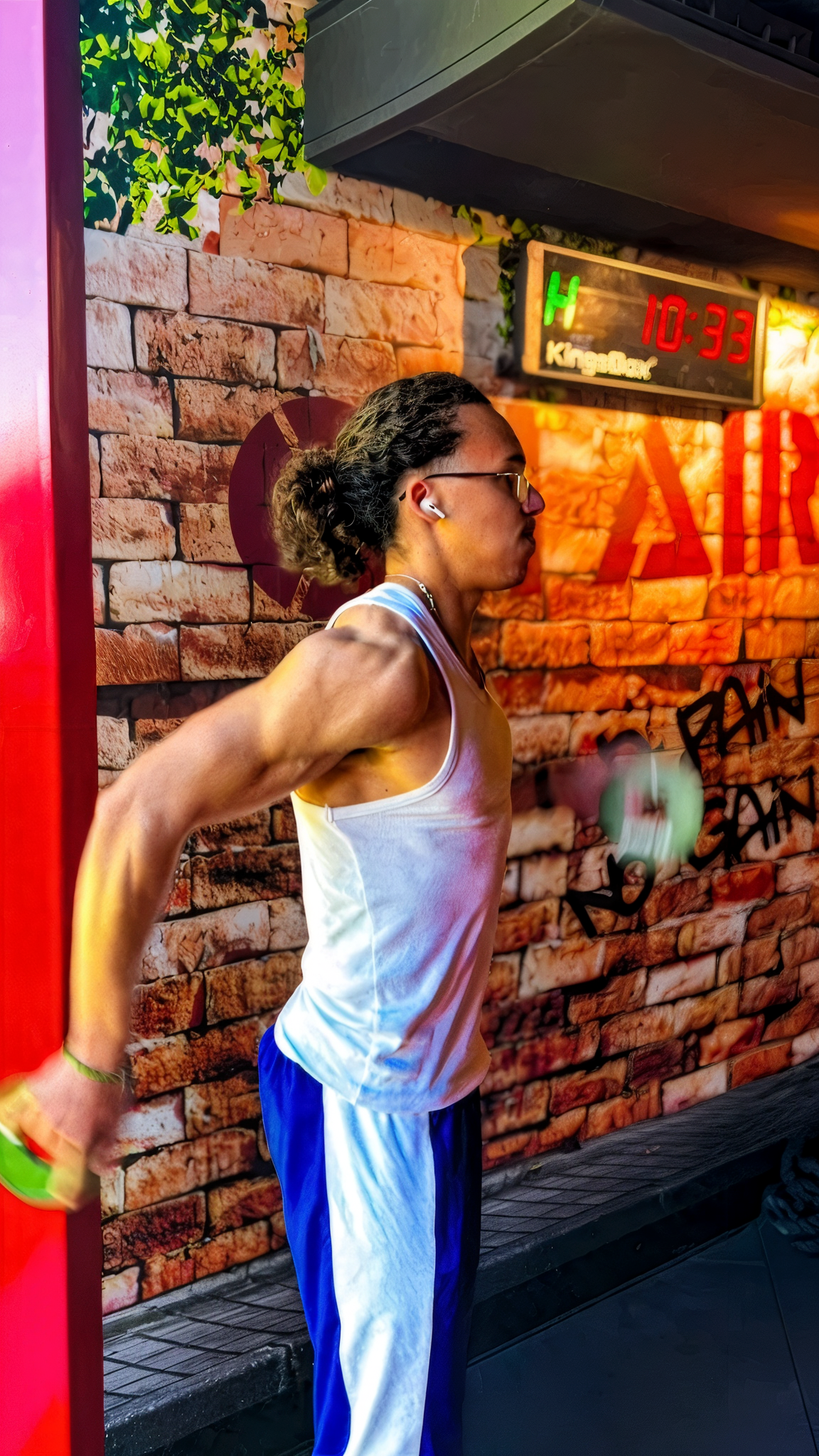
Performance isn't built on intensity. It's built on structure executed consistently over time. Six interdependent pillars. Not complex — consistent.
Velocity
Neural speed expression is trained, not forced. Speed is refined through quality, not fatigue.
Strength
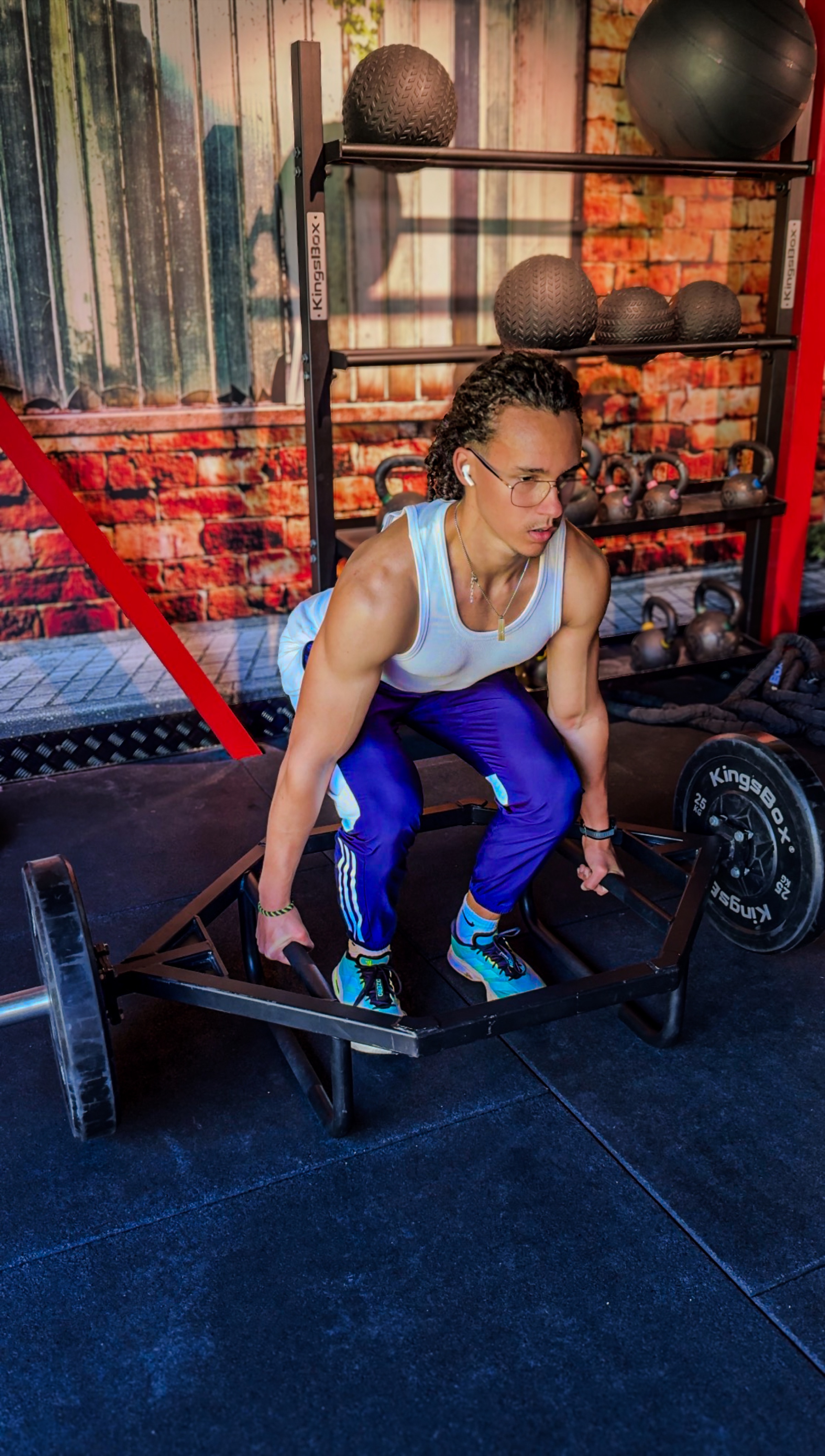
Force is only relevant if it improves sprint mechanics and transfer under velocity.
Technique
Technical efficiency defines how force is expressed at speed — not how much force is produced.
Mental
Consistency maintained without external validation — especially during long periods away from competition. Structure, not motivation.
Recovery
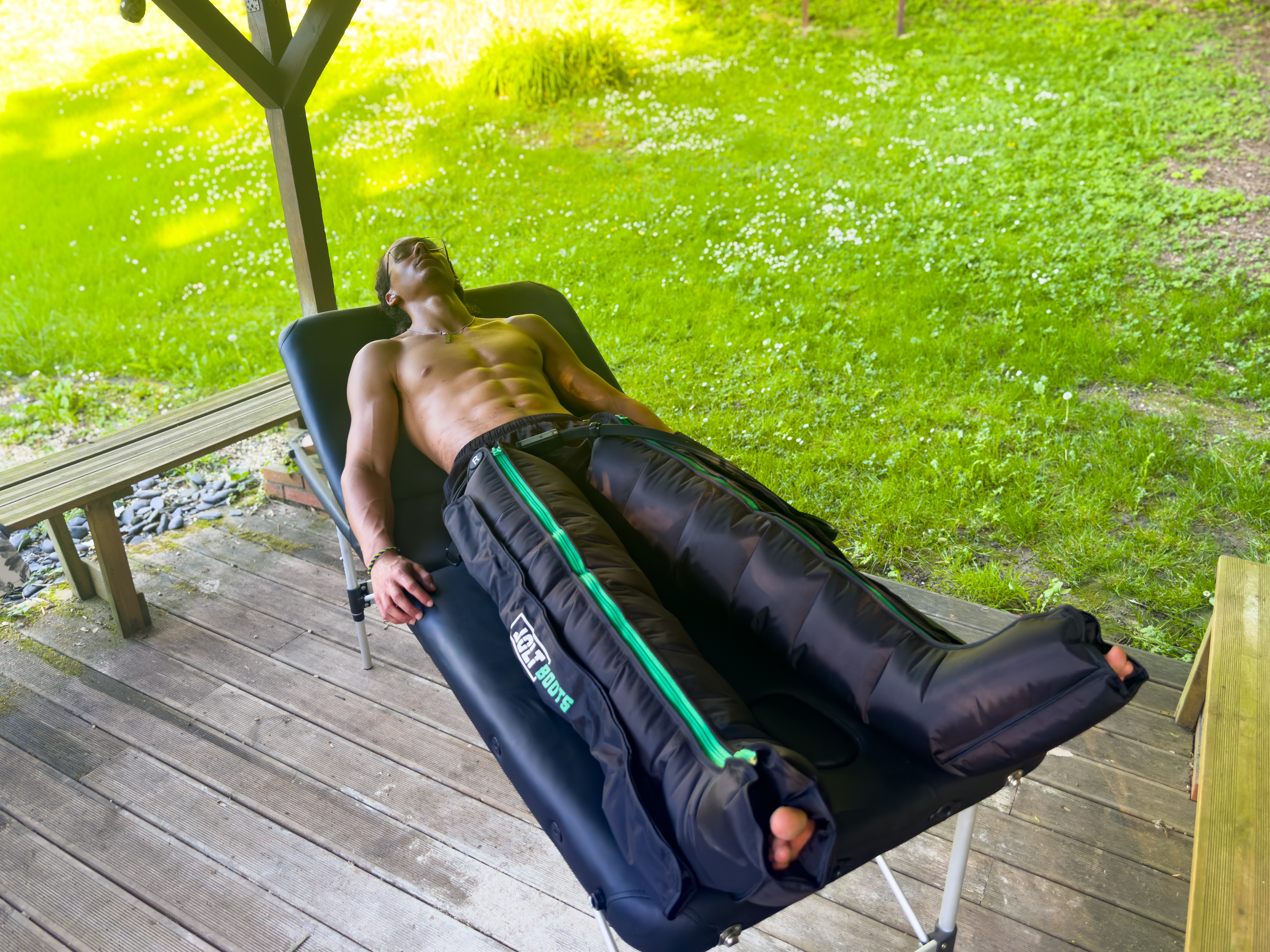
Recovery is a performance variable, managed with the same structure as training load.
Nutrition
Structured to fuel training demands and recovery capacity, with precise adjustment based on load, phase, and adaptation.
Competition
Race Timeline
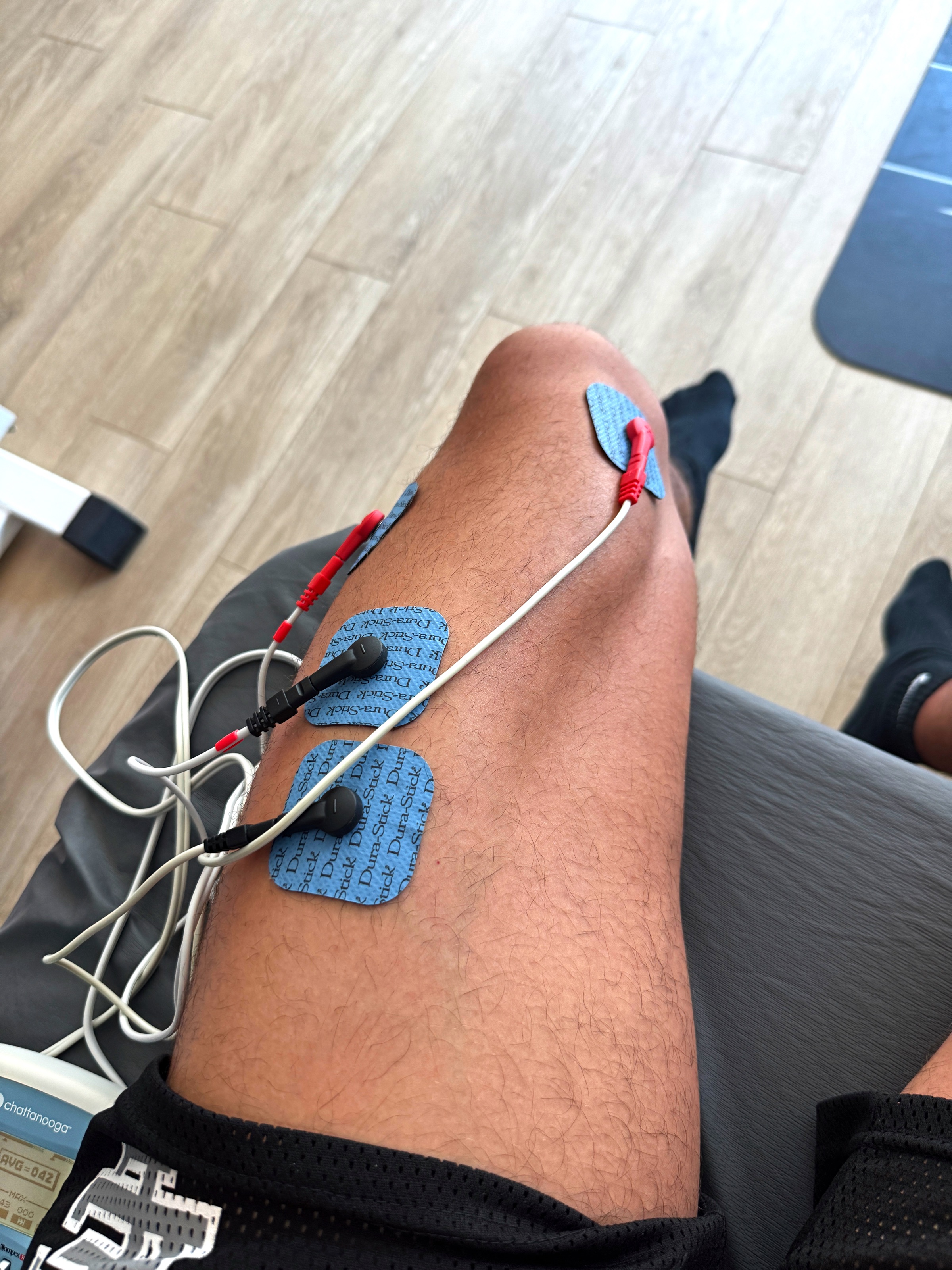
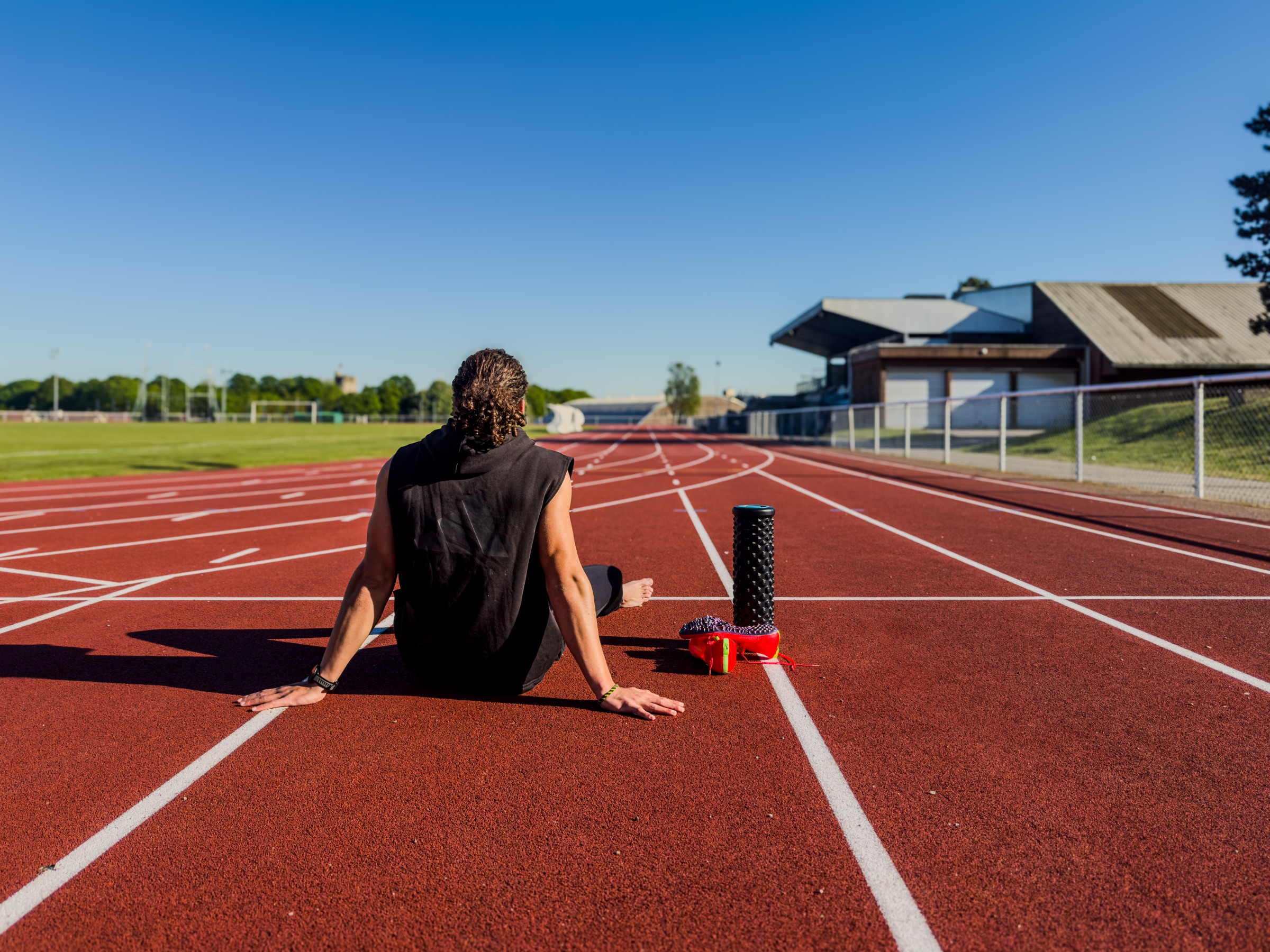
No official competitive times yet — the injury interrupted the trajectory before a full season. The numbers being built right now, in a physio room and on a track, will be the baseline. First recorded PRs targeted for Fall 2026.
Return to competition: September–October 2026 · EA Cergy-Pontoise · France
Athlete Data
Physical Metrics
Return Protocol
Return to Performance
May 2025
Avulsion Fracture
Avulsion fracture of the anterior tibial tuberosity sustained during sprint training. Emergency imaging confirmed surgical intervention required.

March 2026
Hardware Removal
Removal of osteosynthesis hardware after confirmed bone consolidation. Second surgical intervention, shorter recovery window.
Fall 2026
Return to Competition
Planned return to official competition. Full sprint program.
Education
Academic Profile
Core Subjects — Première Générale 2025–2026
Academic work approached with discipline and long-term intent — maintaining a strong academic record as a prerequisite for international recruitment and eligibility within Canadian university athletics (U SPORTS).
Profile Summary
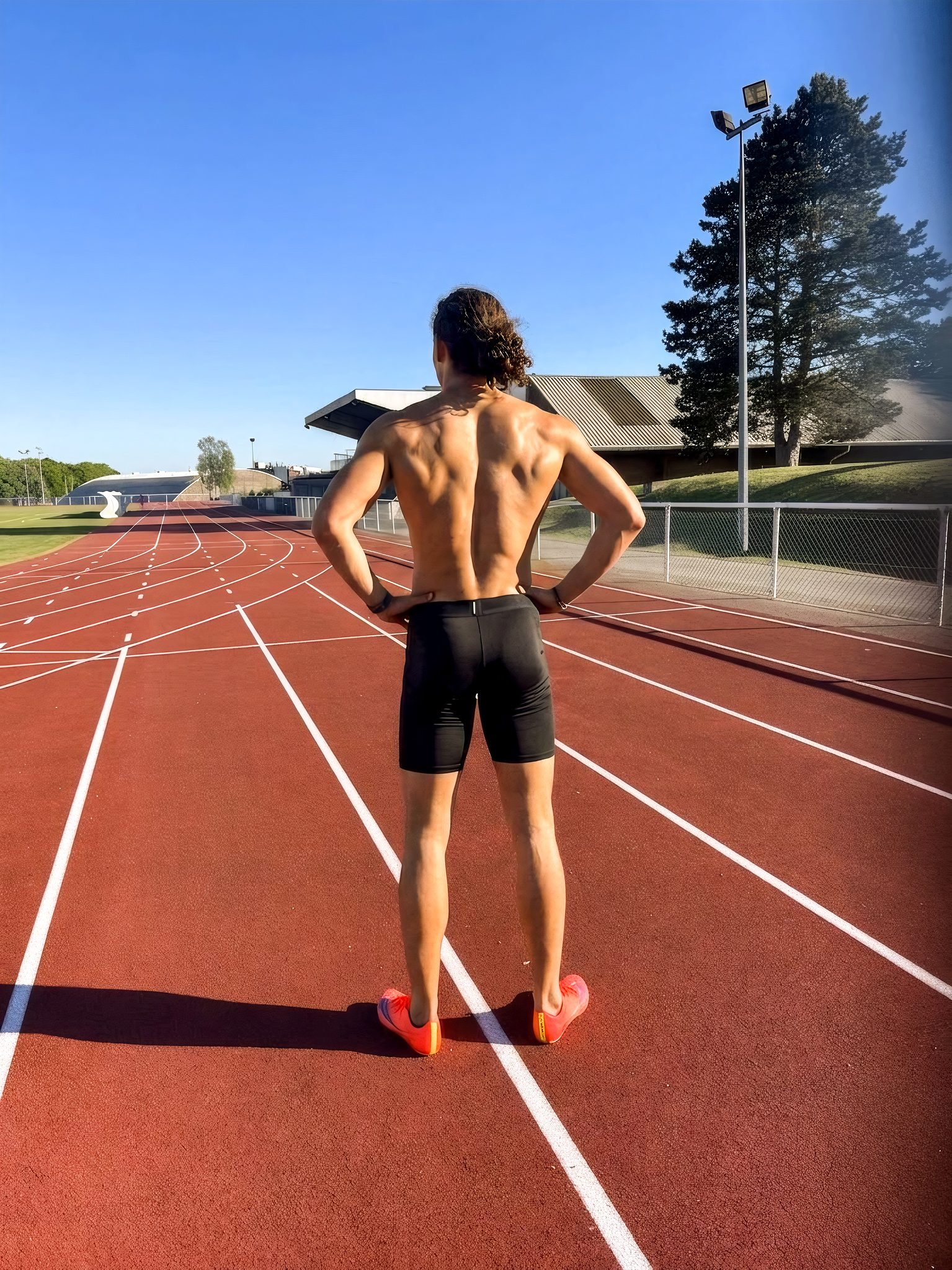
The Plan
UBC Vancouver · BKin 2027
Sport started before I could remember choosing it. Football in Guadeloupe from age 3 — US Cambrefort, the club I grew up at. Karate on and off. Tennis from 4. At 7, I started athletics. For a few years I competed in both tennis and track — then at 9, I made a deliberate choice to stop tennis and specialize. At 15, the 100m and 200m made everything click: pure speed is the most honest form of self-measurement I know. No team to carry you. No referee call to debate. Just the clock.
Fourteen months of rehabilitation changed how I see performance. I was reading biomechanics papers, designing my own protocols, tracking variables most coaches don't track. Not because someone told me to — because it worked. That's when I understood what I actually want: to be the athlete and the practitioner at the same time.
France produced my discipline. It didn't produce a system for this. There's no pathway here that combines elite track and genuine sport science at the university level. I've been aware of this gap for two years. The BKin at UBC is exactly what fills it — and Canada is the plan long-term, not the option.
“The goal isn't just to run faster. It's to understand exactly why — and to use that understanding to build a career around performance.”
Academic Target
Athletic Background
BKin — The Degree That Fits The Mind
There is no French equivalent to the Bachelor of Kinesiology. No program here integrates elite sprint training with biomechanics, exercise physiology, and sport science at the university level. I've been building this framework on my own for two years. UBC gives it structure.
Athlete First. Practitioner Second.
I don't just want to understand the science — I want to apply it to my own performance in real time. Every variable I tracked through my rehab, every protocol I designed, every measurement I collected pointed to the same conclusion: knowledge compounds. The athlete who understands the system trains it at a different level.
Practitioner on the Field, Not in the Lab
I want to work directly with high-performance athletes — on the track, in the weight room, in the margins that actually move the needle. Versatile across sprint mechanics, load monitoring, and recovery. I want to be the person an athlete trusts to make the call — not because I have a title, but because I've done the work myself, from the inside.
Canada Is the Plan, Not the Option
This isn't a backup. I intend to build my life and career in North America — working with performance athletes long-term, contributing to sport science, operating in an environment where this discipline is taken seriously at every level. The BKin is the foundation. Everything I build after it stays in Canada.
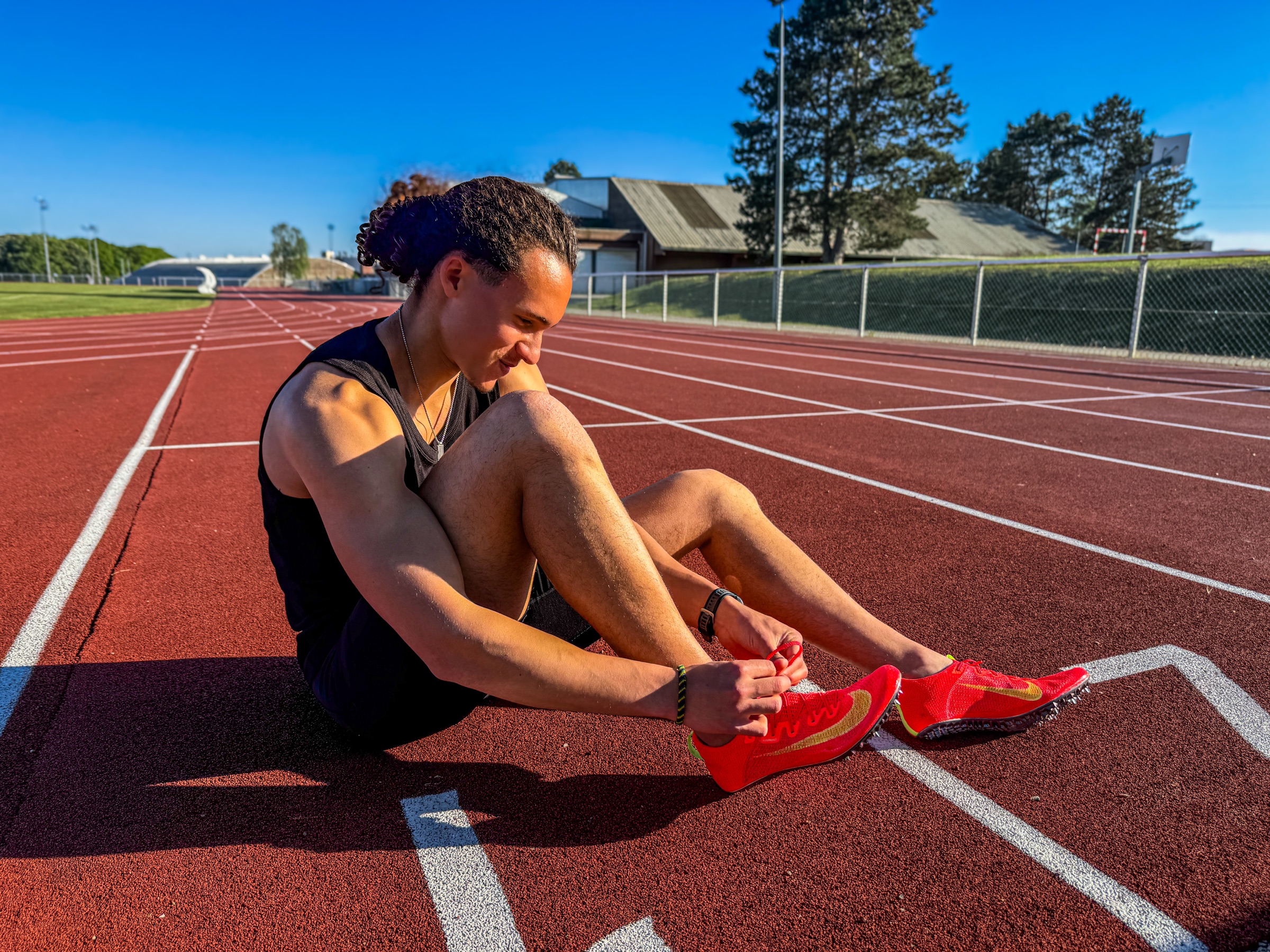
Correspondence
Contact
hugomichaux@icloud.comI'm not sending mass emails. I have one target: UBC Vancouver — Kinesiology + U Sports.The sprint program, the academic pathway, and the infrastructure are exactly the environment I'm building toward. If you recruit sprinters who take their development seriously and want to work, I'm worth a conversation.